Common symptoms of Diabetes
 Frequent urination
 Excessive thirst
 Increased hunger
 Unexplained weight loss
 Fatigue
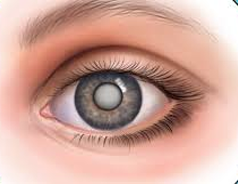 Blurred vision
Diabetes is a chronic medical condition in which the body cannot properly regulate blood sugar (glucose) levels. This happens either because the body does not produce enough insulin or cannot effectively use the insulin it produces.
An autoimmune condition where the body attacks insulin-producing cells in the pancreas
Usually develops in children or young adults
Requires lifelong insulin therapy
The most common type
Occurs when the body becomes resistant to insulin or doesn’t produce enough
Often linked to lifestyle factors like obesity, poor diet, and lack of exercise
Develops during pregnancy
Usually resolves after childbirth but increases future risk of Type 2 diabe
Frequent urination
Excessive thirst
Increased hunger
Unexplained weight loss
Fatigue
Blurred vision
Detecting Diabetes Mellitus early is essential to prevent complications. Diagnosis is mainly done through blood tests that measure glucose levels.
Done after 8–12 hours of fasting
Measures baseline blood glucose
Results:
Normal: Less than 100 mg/dL
Prediabetes: 100–125 mg/dL
Diabetes: 126 mg/dL
Shows average blood sugar over 2–3 months
No fasting required
Results:
Normal: Below 5.7%
Prediabetes: 5.7% – 6.4%
Diabetes: 6.5%
Measures blood sugar before and after drinking glucose solution
Commonly used in pregnancy
Results (after 2 hours):
Normal: Less than 140 mg/dL
Prediabetes: 140–199 mg/dL
Diabetes: 200 mg/dL
Diabetes Mellitus often develops silently, but its effects can be serious if ignored. Testing and timely treatment are essential to protect your long-term health.
Many people don’t notice symptoms in the early stages. High blood sugar can quietly damage organs for years.
Identify diabetes before symptoms appear
Start lifestyle changes sooner
Prevent long-term complications
Uncontrolled diabetes increases the risk of:
Heart attacks
High blood pressure
Keeping blood sugar under control significantly lowers these risks.
High glucose levels can damage:
Eyes → Vision loss (retinopathy)
Kidneys → Kidney failure
Nerves → Numbness, pain (neuropathy)
Early treatment can slow or prevent these complications.
Diabetes can reduce blood flow and nerve sensation, leading to:
Foot ulcers
Infections
In severe cases, amputation
Regular monitoring helps avoid these outcomes.
With proper treatment:
Energy levels improve
Daily life becomes easier
Complications are minimized
If detected in the prediabetes stage, diabetes can often be delayed or even prevented through:
Healthy eating
Regular exercise
Weight management
Testing and treating diabetes is not just about controlling sugar levels—it’s about protecting your heart, organs, and overall future health.